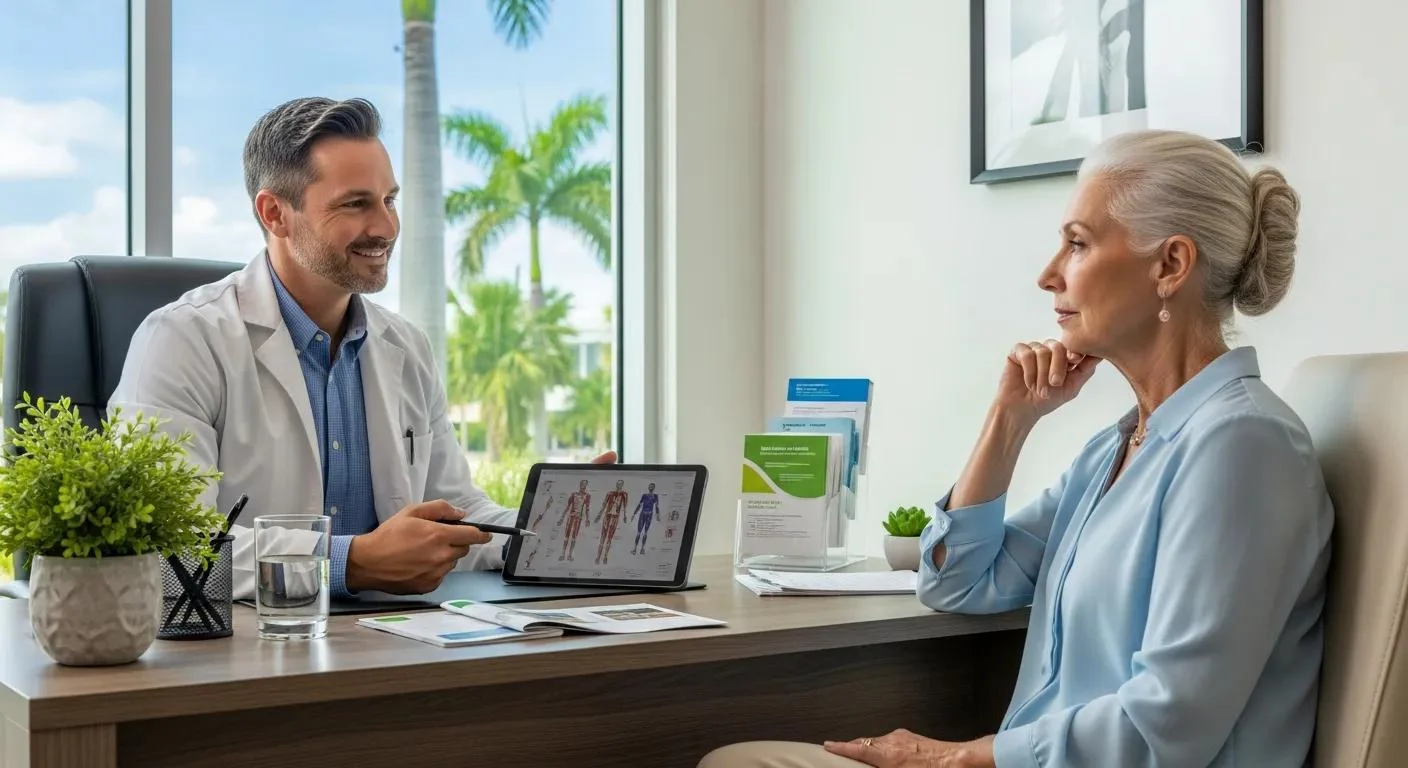
A medical marijuana doctor appointment in Naples is a focused medical evaluation in which a qualified clinician reviews your health history and, if appropriate, issues a physician certification that allows you to apply for a Florida Medical Marijuana Card. This guide explains what will happen during the visit, how to prepare, and the practical next steps so you leave the appointment with clear expectations and an action plan. Patients commonly seek these consultations to address chronic pain, PTSD, seizures, cancer-related symptoms, or other qualifying conditions; the evaluation balances medical necessity, safety, and individualized treatment planning. Throughout the article you will find checklists, step-by-step timelines, recommended documentation, and product comparisons to help you prepare for an efficient visit and a smooth registry application. The main sections cover preparation for your evaluation, the consultation itself, how a personalized treatment plan is developed, post-appointment registry and application steps, accessing licensed dispensaries, and common patient questions about cost and timing. Read on to learn practical, clinic-ready guidance for a confident first visit to a medical marijuana doctor in Naples.
How Should You Prepare for Your Medical Marijuana Evaluation in Naples?
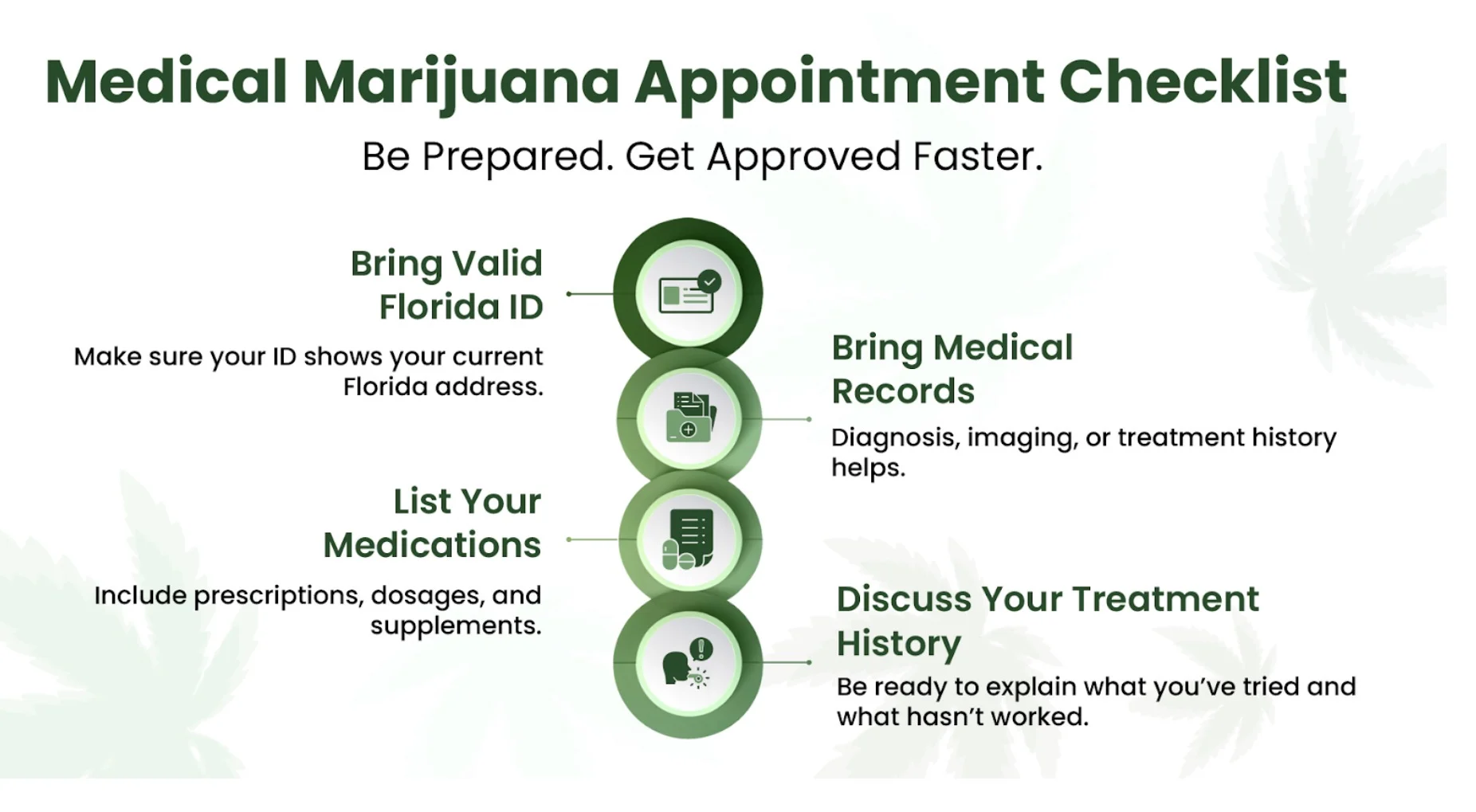
A successful medical marijuana evaluation begins with thorough preparation: gathering identification and proof of residency, assembling recent medical records, and writing a concise symptom history that explains daily impact and prior treatments. Being prepared helps the clinician assess medical necessity efficiently, reduces appointment time, and improves the quality of the physician certification when appropriate. Bring any diagnostic reports, a current medication list (including doses), and a brief symptom diary that notes frequency, severity, and triggers; these materials enable the clinician to make condition-specific recommendations and to document qualifying symptoms for the Florida registry. Preparing these items also makes it easier to answer clinician questions about prior therapies and medication interactions, which directly informs product and dosing choices later in treatment planning.
What Documents and Information Do You Need to Bring?
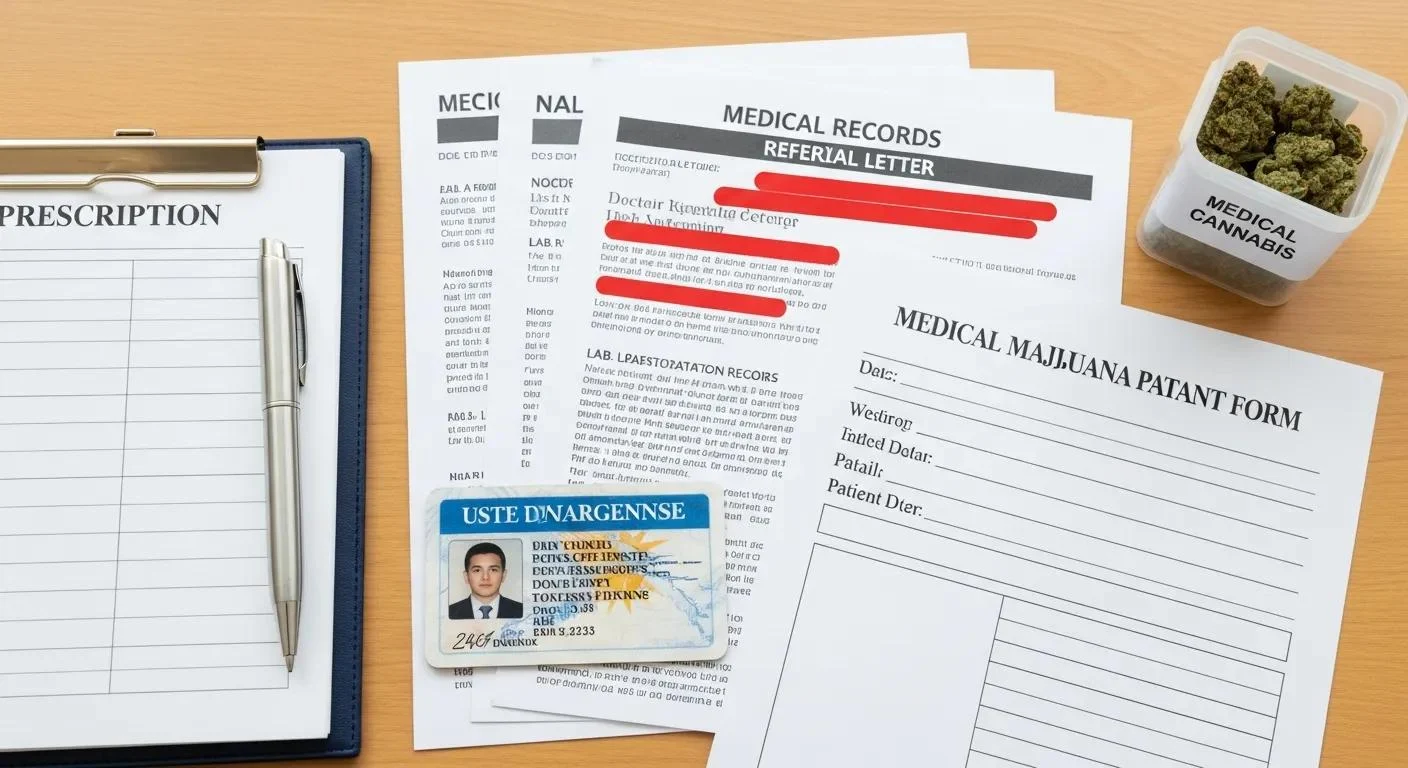
Before your appointment, collect the essential documents and concise clinical information so the clinician can complete an accurate evaluation and certification.
- Valid Florida photo ID or other acceptable identification that proves identity and residency.
- Proof of Florida residency if the ID does not show a Florida address, such as a utility bill or official mail.
- Recent medical records, diagnostic reports, and a current medication list including prescription names and dosages.
The checklist below explains why each item matters and how to format digital uploads if you plan to use the clinic’s patient portal or a HIPAA-compliant app.
- Valid ID demonstrates residency and identity for registry rules and is required for eligibility verification.
- Medical records and diagnostic reports substantiate qualifying conditions and provide clinical context.
- A short symptom diary and medication list help the physician evaluate treatment history and safety considerations.
| Document Type | Acceptable Examples | Tips for Patients |
| Photo ID | Florida driver’s license, Florida ID card | Ensure photo is clear; carry physical and a digital copy if available |
| Proof of Residency | Utility bill, bank statement, lease agreement | Use a document dated within the past 90 days to avoid delays |
| Medical Records | Recent imaging, specialist notes, lab results | Bring summaries of key reports and upload PDFs if using an app |
| Medication List | Prescription and OTC medications with dosages | Include supplements and topical treatments to check for interactions |
These documents streamline the visit and reduce follow-up requests; assembling them ahead of time lets the clinician focus on clinical assessment rather than administrative details.
What Are the Eligibility Criteria for Medical Marijuana in Florida?
Eligibility for a Florida medical marijuana physician certification requires residency in Florida and a qualifying medical condition as evaluated by a licensed physician, with the clinician documenting medical necessity for treatment. Common qualifying conditions include chronic nonmalignant pain, cancer-related symptoms, epilepsy or seizures, PTSD, multiple sclerosis, and other conditions where conventional treatments have not provided adequate relief; the clinician exercises professional judgment when determining eligibility. Patients must be Florida residents who can provide acceptable proof of residency and be evaluated by a physician who documents the qualifying condition in the Florida Medical Marijuana Use Registry. Understanding these eligibility rules before your appointment reduces surprises and ensures your visit focuses on clinical evidence, symptom impact, and safety considerations.
What Happens During Your Medical Marijuana Doctor Consultation in Naples?
During a medical marijuana doctor consultation in Naples the clinician conducts a structured medical assessment that includes a review of your records, a targeted clinical interview about symptoms and prior treatments, and a safety screening for medication interactions and contraindications. The visit’s goal is to determine whether your medical history and current condition meet criteria for a physician certification and to outline a preliminary treatment approach if recommended. Typical consultations last between 15 and 45 minutes depending on case complexity and whether records are already available electronically; telehealth visits or in-person evaluations follow the same clinical framework but may vary slightly in workflow. The clinician documents findings in the medical record and, if appropriate, enters a physician certification into the state registry so you can proceed with the state application.
Clinical assessments focus first on symptom impact and prior therapy responses, then on physical findings and safety screening, and finally on discussing potential benefits and risks of medical marijuana for your condition. This structured approach ensures clinicians exercise medical judgment while providing patients a clear path forward in treatment planning and registry enrollment.
How Is Your Medical History Reviewed and Assessed?
The clinician begins by confirming identity and reviewing submitted medical records, then asks targeted questions about symptom onset, severity, prior treatments, and daily functional impact to assess medical necessity. Typical clinician questions include: When did symptoms start? How do symptoms limit daily activities? What treatments or medications have you tried, and with what results? The clinician also screens for psychiatric history, substance use, pregnancy, and potential drug interactions to ensure safety and appropriate product selection. Based on this review, the physician documents findings that justify a certification when appropriate and outlines follow-up plans to monitor effectiveness and side effects, which leads naturally to a discussion of benefits and risks.
What Should You Know About Medical Marijuana Benefits and Risks?
Medical marijuana can relieve symptoms such as chronic pain, muscle spasticity, nausea, and some neurologic conditions by interacting with the endocannabinoid system to modulate pain and neurotransmission, which may improve function and quality of life for selected patients. Common side effects include drowsiness, dizziness, dry mouth, and changes in appetite; clinicians emphasize “start low and go slow” titration to reduce adverse effects while finding an effective dose. There are important safety notes: avoid driving until you know how a product affects you, disclose cannabis use to other treating clinicians, and inform the clinician if you are pregnant or breastfeeding. Understanding these benefits and safety considerations helps patients weigh risks versus expected symptom improvement and sets the stage for a tailored treatment plan and follow-up monitoring.
How Is Your Personalized Medical Marijuana Treatment Plan Developed?
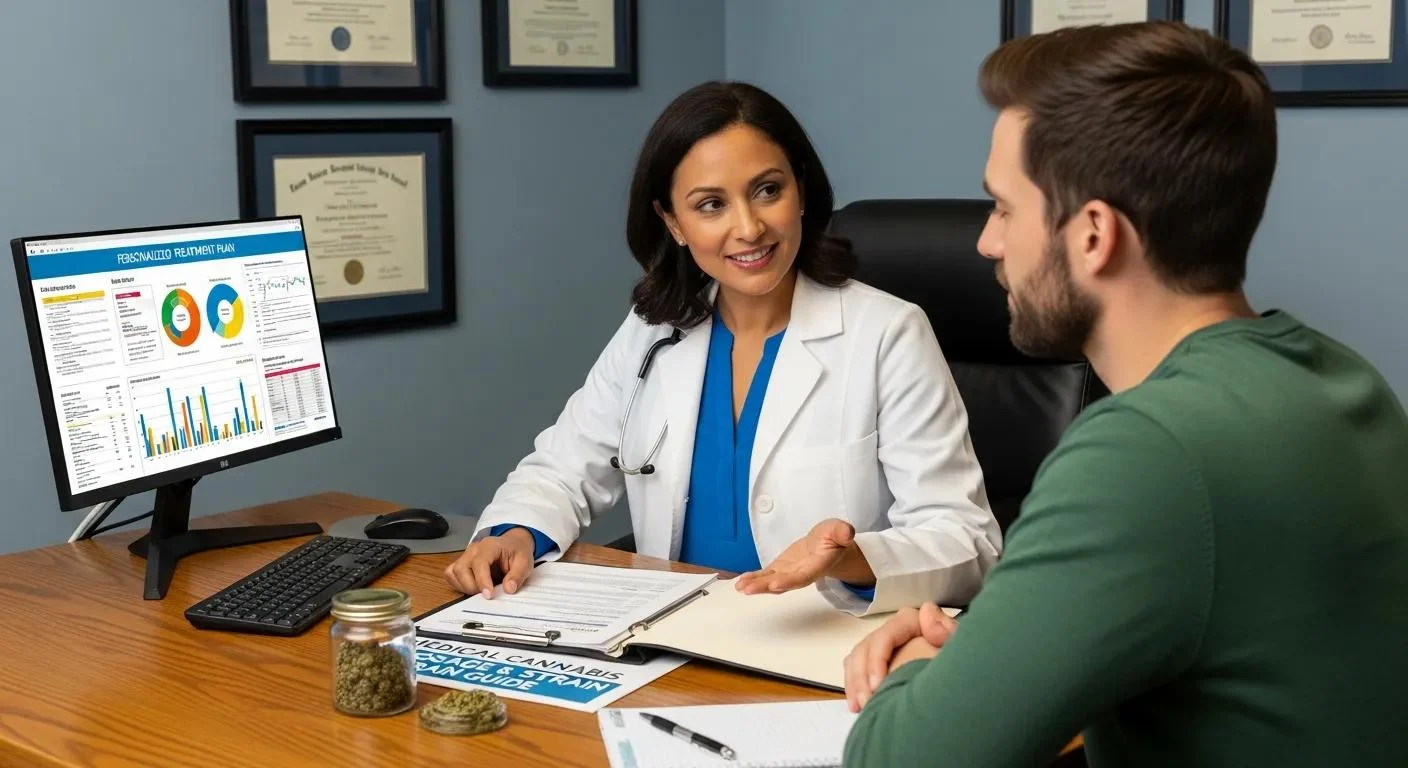
A personalized treatment plan is developed by integrating your diagnosis, symptom severity, prior treatments, comorbidities, and medication profile to select product type, target cannabinoid ratios, initial dosing, and a monitoring schedule. Clinicians choose forms and routes—such as inhalation for rapid relief or oral preparations for sustained effect—based on symptom timing and patient preferences; they also set measurable goals for symptom reduction and functional improvement. The plan typically includes initial dosing recommendations with a structured titration schedule, safety counseling on interactions and adverse effects, and a follow-up timeline to assess response and adjust dosage or product form. Shared decision-making ensures the plan fits your goals and lifestyle while prioritizing safety and documentation required for the Florida registry.
What Types of Medical Marijuana Products and Dosages Are Recommended?
Product selection balances onset and duration: inhaled products act quickly and are useful for breakthrough symptoms while oral products provide longer-lasting effects suited for chronic symptoms, and topicals target localized pain without systemic psychoactive effects. Typical starting doses vary by product: inhalation often begins with a single low inhalation and titrated upward, tinctures may start with 1–2.5 mg THC equivalents at night, and low-dose edibles begin below 5 mg THC with slow titration over days. Clinicians stress individualized titration—adjusting dose slowly while tracking effects and side effects—to reach therapeutic benefit with minimal adverse events.
| Product Category | Typical Use Case | Typical Starting Dose |
| Inhalation (flower/vape) | Rapid relief for breakthrough pain | One small inhalation, repeat cautiously |
| Oral (tincture/edible) | Sustained symptom control for chronic pain or spasticity | 1–5 mg THC equivalents, titrate every few days |
| Topicals | Localized pain, inflammation without systemic effects | Apply as directed to affected area; systemic dose not required |
Selecting the right product and dose depends on your condition and prior cannabis experience, and the clinician explains titration and monitoring during follow-up to refine the regimen.
How Does the Doctor Tailor Treatment to Your Specific Condition?
Doctors tailor recommendations using a decision flow that factors diagnosis, symptom pattern, comorbidities, current medications, and patient goals to choose product type, cannabinoid ratio, and dosing cadence. For example, seizure disorders may favor high-CBD formulations with specific monitoring, whereas chronic neuropathic pain may respond to balanced THC:CBD products titrated for analgesia and sleep improvement. The clinician also assesses psychiatric comorbidity and substance use history to avoid products or doses that increase risk, and sets objective follow-up measures—such as pain scores or seizure frequency—to evaluate effectiveness. Patients are encouraged to ask specific questions about expected timelines and measurable goals so that treatment adjustments are data-driven during follow-up visits.
What Are the Post-Appointment Steps to Obtain Your Medical Marijuana Card in Naples?
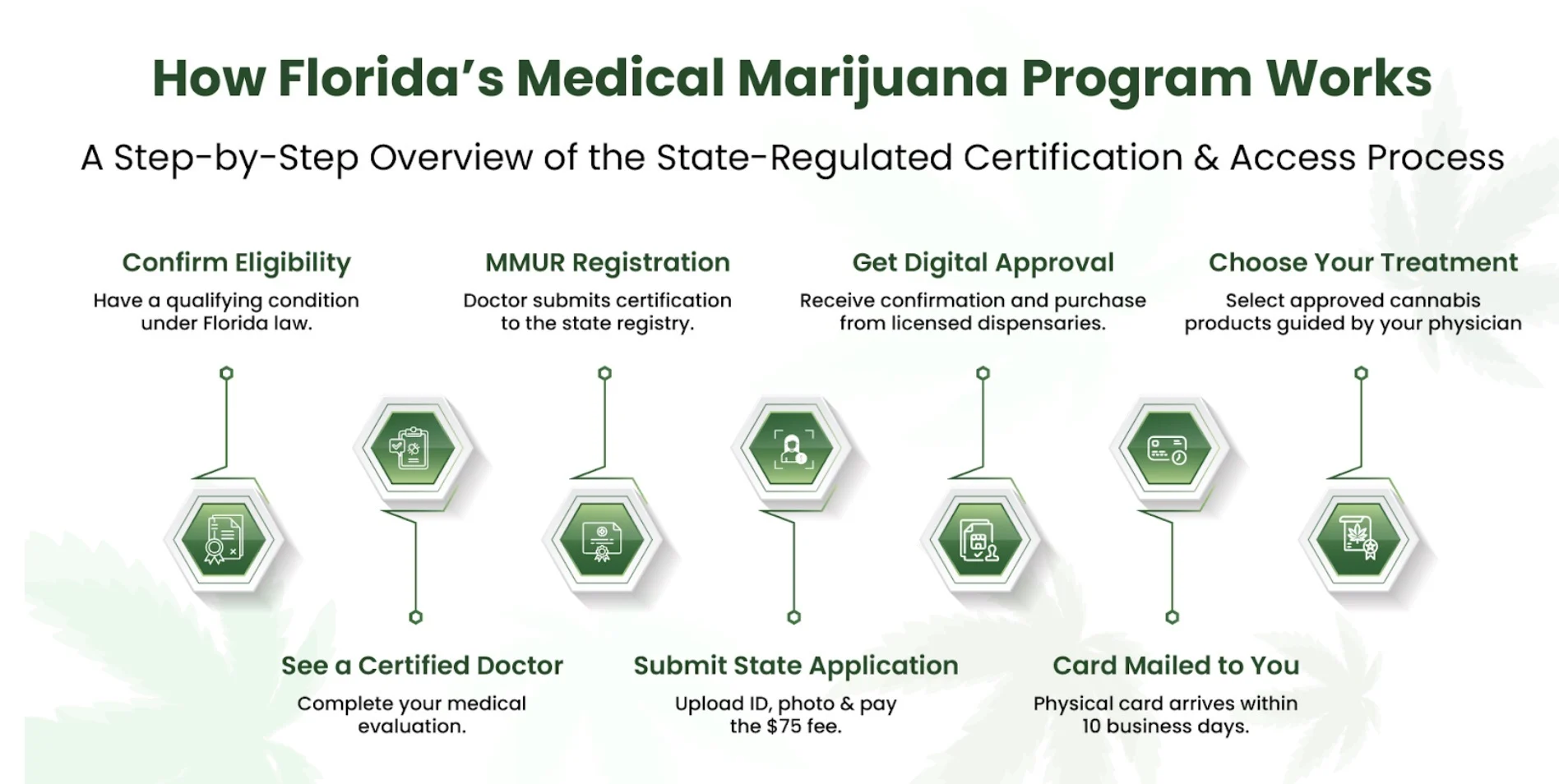
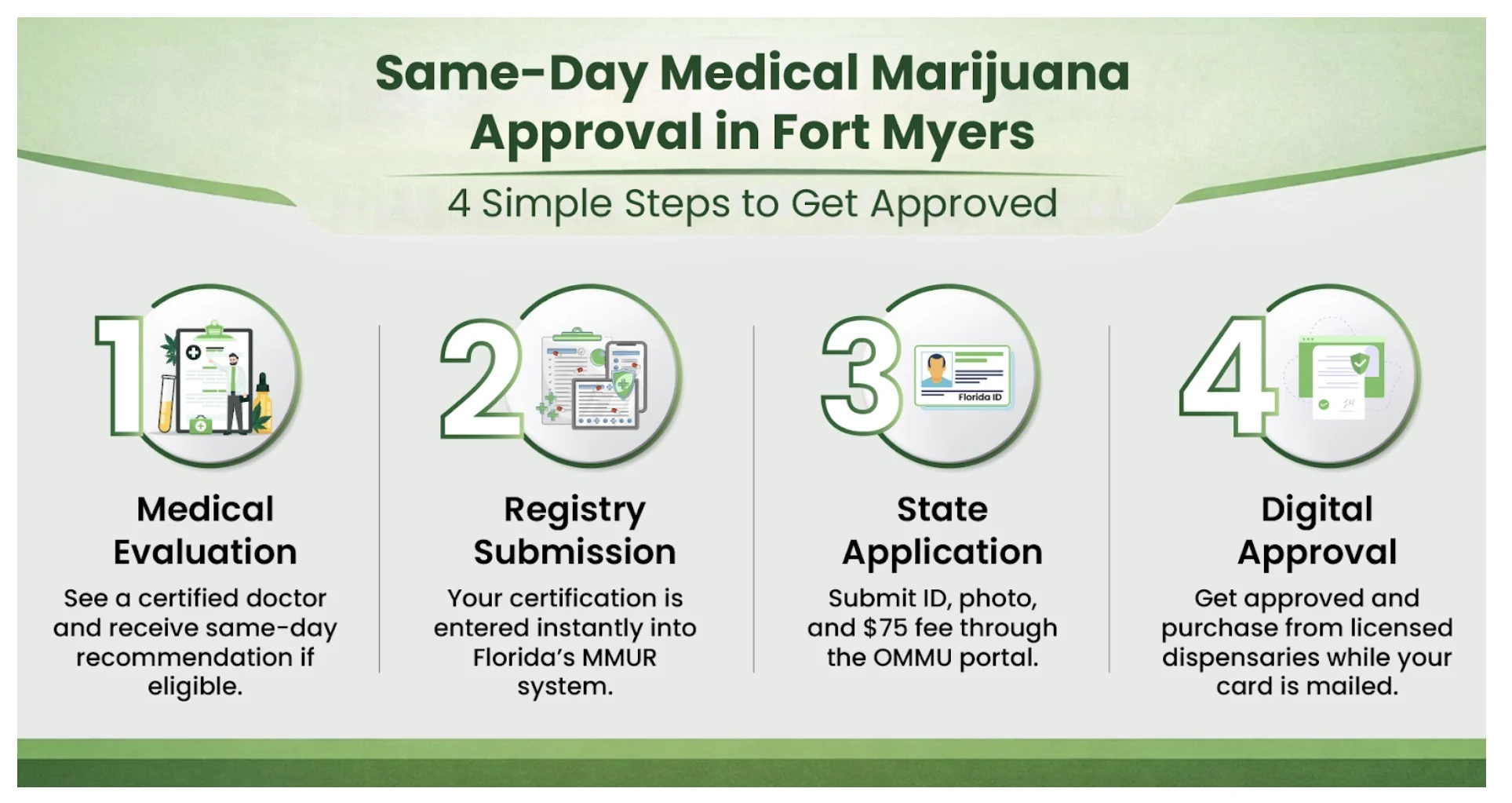
After a physician issues a certification, the typical post-appointment workflow includes clinician submission to the Florida Medical Marijuana Use Registry, the patient completing the state application with identity verification and a photo, and payment of the state application fee—after which a temporary card may be issued while the registry finalizes approval. Understanding the sequence and approximate timelines helps you complete each step without delay: physician MMUR entry is generally immediate from the clinic side, the patient then logs into the state portal to upload a photo and ID and pay the state fee, and the registry issues the temporary or permanent card according to processing times. Being proactive about the state application materials reduces processing delays and ensures faster access to licensed dispensaries.
The numbered steps below summarize the patient-facing actions and expected timing to provide a clear checklist you can follow immediately after your visit.
- Physician submits a certification to the Florida Medical Marijuana Use Registry (MMUR) on your behalf.
- Patient receives registry notification, creates an account, uploads a photo and ID, and pays the Florida state application fee.
- The state processes the application; patients may receive a temporary card or login access while the permanent card is finalized.
| Actor | Action | Timeline / Next Steps |
| Physician | Enter certification into MMUR | Immediate after visit; patient notified by email or portal |
| Patient | Complete state application with photo/ID and pay fee | Same day or within 48 hours recommended |
| State Registry | Process application and issue temporary/permanent card | Variable; temporary access often within days to weeks |
How Does Physician Certification and Registry Entry Work?
Physician certification involves the clinician documenting the qualifying condition and submitting a physician certification into the Florida Medical Marijuana Use Registry, which permits the patient to begin the state application process. After submission, patients typically receive a notification with instructions to create a registry account, upload a photo and identification, and complete payment for the state application fee so the registry can link the certification to the patient record. The registry may provide temporary access or documentation allowing dispensary purchases while processing continues, but timelines vary and patients should monitor their registry account and email for updates. Understanding this handoff clarifies responsibilities: clinicians submit the certification and patients complete the state-facing application steps.
What Is the State Application Process and Timeline?
The Florida state application requires the patient to create an account in the Medical Marijuana Use Registry, upload a clear, passport-style photo, provide proof of identity and residency if not already on file, and pay the state application fee; successful submission moves the application into processing for card issuance. Typical timelines depend on registry volume but many applicants receive temporary access or account confirmation within days, while final card issuance can take several days to a few weeks; patients should verify uploads meet state specifications to avoid rejection. If documents are rejected, the registry provides instructions for resubmission; proactively following photo and ID guidelines prevents common delays and helps ensure timely approval.
How Can You Access Licensed Dispensaries and Ongoing Support After Your Appointment?
Once your Florida Medical Marijuana Card is active, you may purchase products from licensed dispensaries by presenting your card and a photo ID; dispensaries are staffed by pharmacists or trained budtenders who can advise on product selection, dosing, and safe use. First-time purchasers should plan shorter initial purchases and ask about low-dose options and sample guidance, while keeping a treatment log to share with your clinician during follow-up visits. Ongoing clinical support includes scheduled follow-ups to assess effectiveness and adjust dosing, education on safe storage and use, and resources to manage potential side effects; coordinated care between the clinician and dispensary staff enhances safety and treatment outcomes. Planning your first dispensary visit and maintaining open communication with your clinician creates a reliable continuum of care after the certification.
Where and How Can You Purchase Medical Marijuana Products in Florida?
To purchase medical marijuana in Florida you must visit a licensed dispensing facility, present your active medical marijuana card and a photo ID, and follow dispensary procedures for ordering and payment; dispensaries will verify your credentials and may require in-person verification for certain products. When preparing for a first dispensary visit, bring your card and ID, arrive with a list of symptom goals and any clinician recommendations, and ask to speak with the pharmacist or trained staff about low-starting doses and titration schedules. Asking clear questions about onset, duration, and expected effects helps you select the best delivery form for your needs, and keeping a product and symptom diary helps your clinician refine therapy during subsequent visits.
- Bring your medical marijuana card and a government photo ID to the dispensary.
- Ask the pharmacist or budtender about starting doses and product onset times.
- Buy a small initial quantity to assess personal response before increasing dose.
These simple steps make your first purchase safer and provide better data to share with your treating physician during follow-up.
What Support Does My Florida Green Provide Throughout Your MMJ Journey?
What Support Does My Florida Green Provide Throughout Your MMJ Journey? My Florida Green operates multiple locations across Florida including Naples; core offering: facilitating medical marijuana certification (initial evaluations, physician certifications, assistance with state registry applications, ongoing recertification support).
The clinic pairs certified Florida medical marijuana doctors with a HIPAA-compliant patient platform called TheDocApp to streamline paperwork, appointment scheduling, secure record uploads, and telehealth follow-up visits that help monitor treatment response. Patient education materials, follow-up support, and assistance with MMUR entry are offered to reduce administrative burden so patients can focus on symptom management and treatment outcomes.
This combination of a secure patient portal, clear pricing, and clinician-led registry support can shorten administrative delays and improve continuity of care after your initial evaluation.
What Are Common Questions About Medical Marijuana Doctor Appointments in Naples?
Patients frequently ask about timing, costs, what to bring, and what to expect emotionally and medically during the first visit; concise answers help set expectations and reduce anxiety before the appointment. Below are direct, practical answers to the most common questions so you can arrive prepared and calm, and so the clinician can focus on clinical assessment rather than administrative issues. These responses are optimized for quick reference and for capturing common “people also ask” queries.
What Should I Expect at My First Medical Marijuana Appointment in Naples?
At your first appointment expect a focused medical interview where the clinician confirms identity, reviews submitted records, asks detailed questions about symptoms and prior treatments, and screens for safety issues such as medication interactions and psychiatric history. Appointments typically last 15–45 minutes depending on case complexity and whether records are already provided; clinicians will explain potential benefits, risks, and follow-up plans if a certification is appropriate. Confidentiality and supportive care are standard; clinicians aim to answer questions about product options and monitoring and to outline clear next steps for registry submission and state application, which reduces uncertainty after the visit.
How Much Does a Medical Marijuana Doctor Visit Cost in Naples?
Doctor visit fees vary by provider, but patients should expect to pay a clinic fee for the initial certification separate from the Florida state application fee; clinic-specific pricing is often published for transparency so you can budget accordingly. For reference, some clinics in Florida list initial certification fees and related service pricing; the Florida state application fee is distinct and collected through the state registry at the time you upload your photo and ID. Ask the clinic before your appointment about what the visit fee includes—such as registry submission assistance, use of a secure patient platform, or telehealth follow-up—to ensure you understand the total cost and any satisfaction guarantees.
- Clinic visit fee covers the medical evaluation and registry submission support.
- State application fee is paid to the Florida registry separately and is required to receive your card.
- Confirm inclusions—such as follow-up telehealth or portal support—when scheduling to avoid surprises.
These practical cost notes help you plan financially for evaluation, application, and initial product purchases at a dispensary.