Rheumatoid arthritis (RA) is one of the most common chronic autoimmune diseases, causing inflammation of the joints. It is rarely limited to joint pain only. It causes deep aches that suddenly flare up, morning stiffness that won’t go away, and fatigue that sneaks in even on calm days. Standard medications can help to halt the disease for many individuals, but it may not work for everyone and cannot reduce the pain completely. Sometimes the pain may persist for days, months, or even longer.
That’s why more and more people are looking to adjunctive therapy options, and with the legalization of medical marijuana in Florida, it’s just natural to ask: Can medical marijuana help with rheumatoid arthritis pain? And if so, how does it work?
So, let’s go over everything you need to know about medical marijuana for rheumatoid arthritis, including the evidence supporting its efficacy and practical considerations.
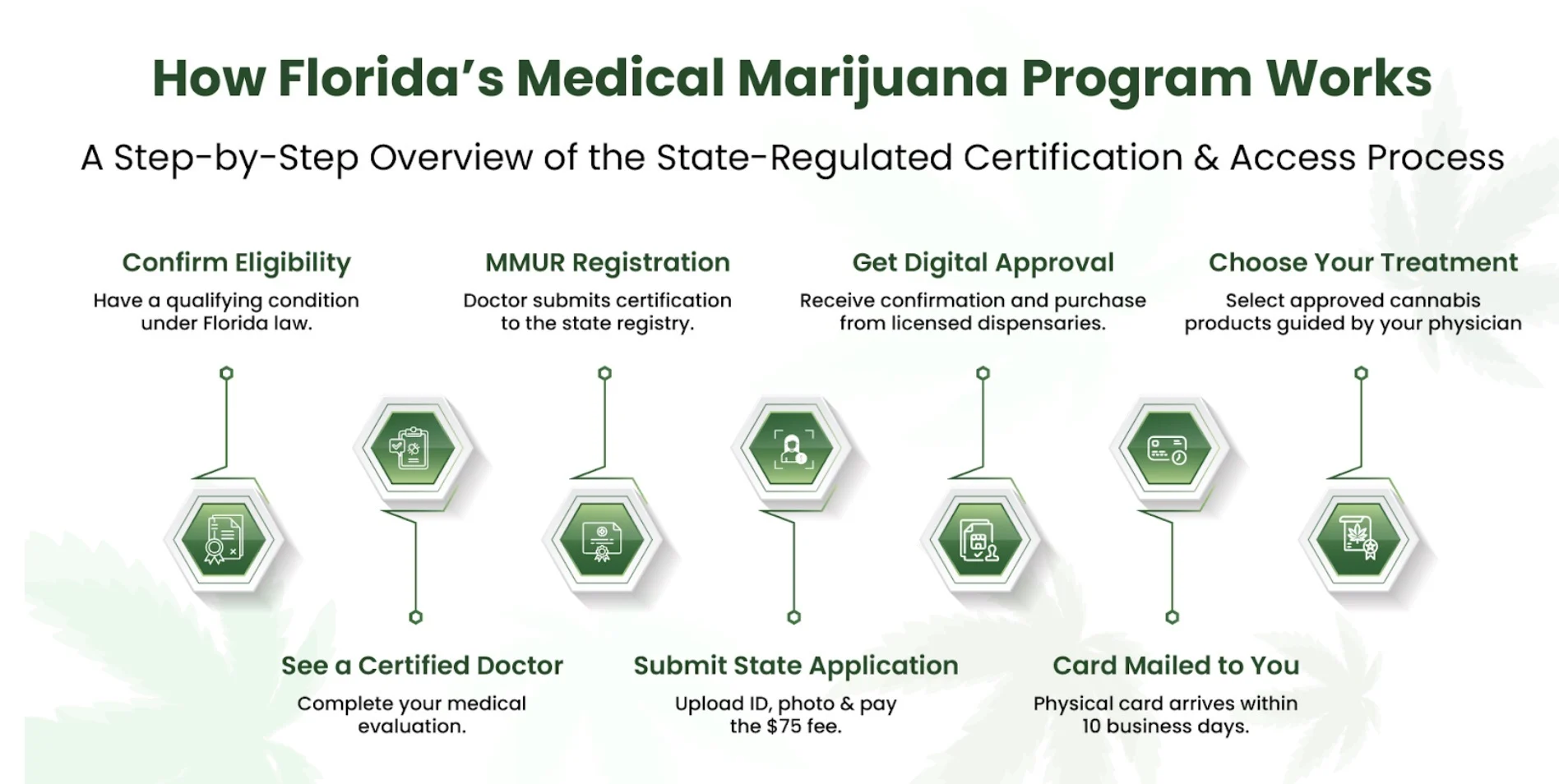
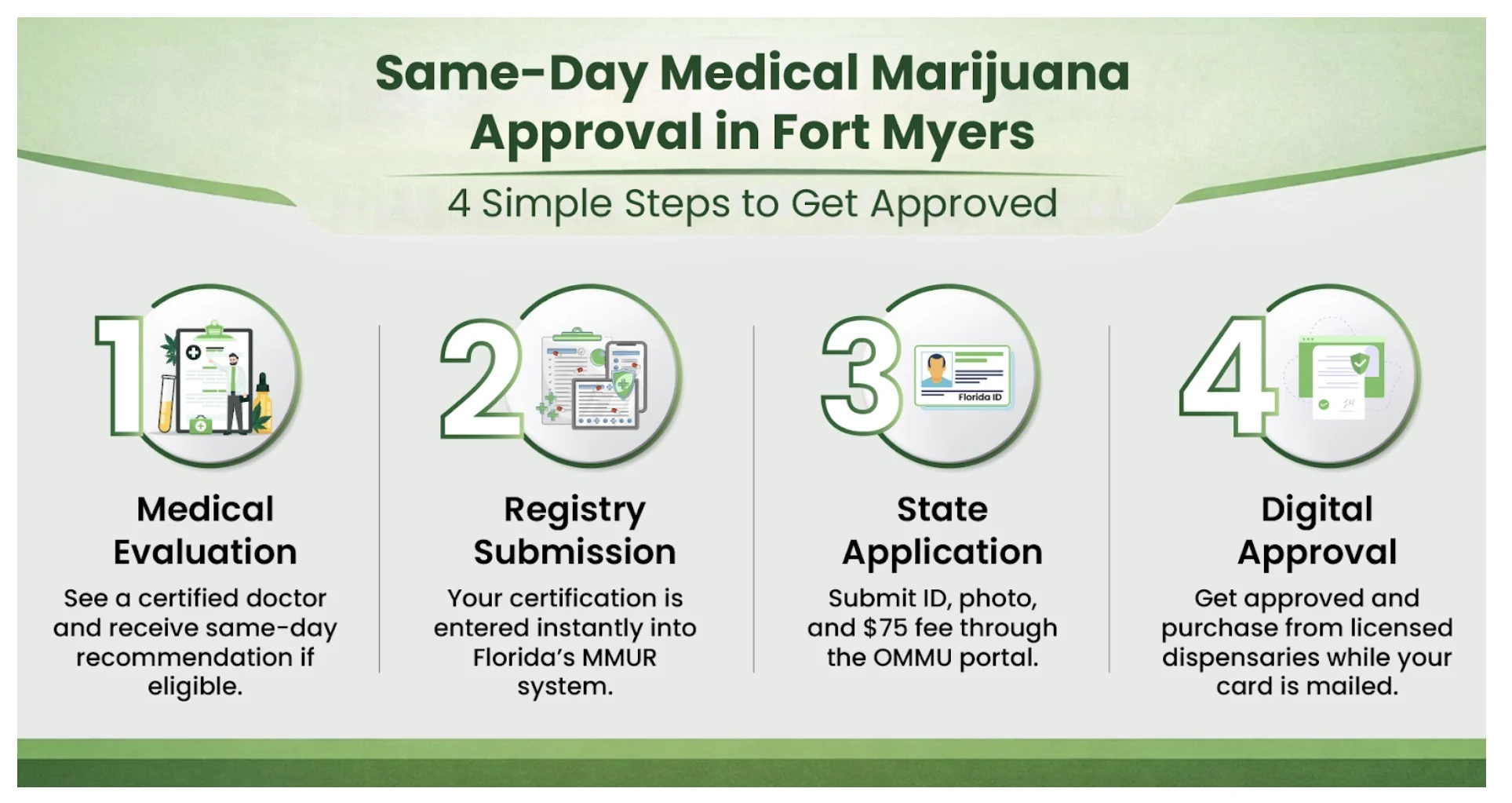
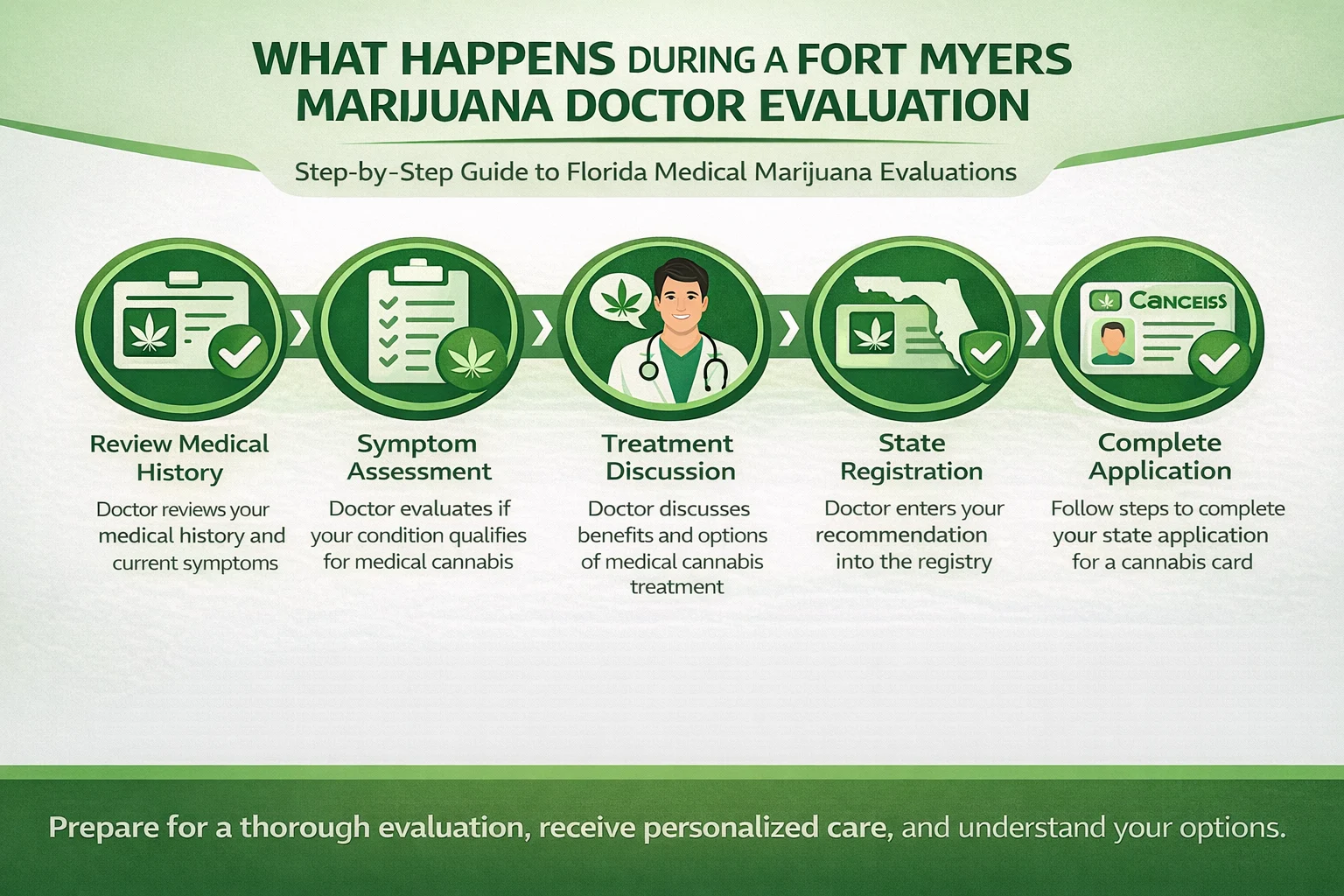
Schedule your appointment today for Medical Marijuana Card in Florida with My Florida Green’s certified doctors.
What Makes Rheumatoid Arthritis So Hard to Manage?
Rheumatoid arthritis is an autoimmune disease. A normal immune system protects the body like a soldier safeguarding a castle against attacks. However, in an autoimmune disease, this soldier starts attacking the very castle it was supposed to protect.
The immune system, rather than protecting, inadvertently targets the joint lining, which ultimately leads to joint degeneration, stiffness, edema, and inflammation.
Standard treatment options? DMARDs (disease-modifying anti-rheumatic drugs) and biologics (complex medicines derived from live organisms) target the disease process by slowing down its progression, reducing inflammation, and preventing long-term joint damage.
However, for many, the story doesn’t end here, and many patients continue to experience persistent joint pain, morning stiffness, and fatigue that doesn’t seem to go away.
While pain relievers work just fine for many, their prolonged usage can have serious side effects. Their long-term use can also result in tolerance, providing limited to no relief. And that’s what sparks the interest of many in natural alternatives like medical marijuana, especially THC and CBD.
Why are patients turning to Medical Marijuana?
Many patients suffering from rheumatoid arthritis are looking for safer alternatives to traditional medicines that can improve their quality of life. What they actually want is relief, particularly for reducing pain, anxiety, or sleep issues.
Talking specifically about medical marijuana, it contains active ingredients known as cannabinoids. These cannabinoids can interact with the endocannabinoid system of the body, which regulates pain, inflammation, immunological responses, and even sleep.
While medical marijuana isn’t a cure for rheumatoid arthritis pain and inflammation, it does have the potential to alleviate the pain and inflammation. It is especially useful when used as an adjunctive therapy with the standard treatment.
How does Medical Marijuana reduce pain?
The brain decides how pain feels. Cannabinoids present in medical marijuana, like THC and CBD, can influence the transmission and perception of these pain signals.
THC interacts with the CB1 receptors present in the brain and peripheral nervous system. By doing so, it alters the mood and pain perception.
CBD interacts with the CB2 receptors, thereby supporting the immune-regulating functions, especially in inflammation and pain.
These cannabinoids may help the body tone down the persistent discomfort and reduce pain sensitivity and intensity.
While they may not eliminate the pain, they can make it less intense and more tolerable.
THC for Rheumatoid Arthritis
THC is well known for its high potency and pain-alleviation properties. It does so by binding to and activating CB1 receptors. This activation blocks the release of neurotransmitters that transmit pain signals to the brain, reducing pain perception and experience.
Though more research is needed on this topic, the anecdotal evidence suggests that THC can help relieve acute, agonizing joint pain, reduce nighttime soreness, and help improve sleep onset when agony keeps them up.
Nonetheless, THC is psychoactive and has its own set of side effects. Drowsiness, lack of focus, anxiety, dry mouth, and dizziness are all potential side effects, particularly at larger doses.
You must always use THC with the consultation of a state-certified Medical Marijuana doctor. You must always start low and go slow; give your body adequate time to adapt to it. THC is intense, and it might not be everyone’s cup of tea, and that’s okay.
CBD for Rheumatoid Arthritis
CBD does not produce a “high” and is a far gentler option than THC. It is a good starting point for anyone who wants to alleviate pain and reduce inflammation without intoxication.
Many preliminary studies and patient testimonials suggest that CBD can help reduce inflammation, reduce joint pain and stiffness, and improve the quality of sleep.
Every individual is different and responds differently to CBD. Some see results in a matter of days, while for others the changes aren’t rapid; rather, they are gradual.
Is there any risk of side effects associated with CBD? Well, drug interactions are there. THC and CBD can interact with medications by affecting liver enzymes, thereby raising or lowering drug levels and effects.
CBD increases THC/drug levels via inhibiting CYP enzymes, while THC activates or inhibits other enzymes (such as CYP1A2), altering metabolism.
So caution is advisable. It’s always best to first consult with your healthcare provider before starting with medical marijuana for rheumatoid arthritis.
Want to legally purchase medical marijuana for rheumatoid arthritis? Reach out to My Florida Green today! They can help you connect with a certified medical marijuana doctor and get an MMJ card without any hassle.
Can Cannabis Actually Reduce Inflammation in Rheumatoid Arthritis?
Lab and animal studies have shown that cannabinoids can help reduce inflammation and pain. That’s promising, right? However, clinical studies supporting the effectiveness of cannabinoids to treat rheumatoid arthritis in humans are still limited.
So, while medical marijuana can help alleviate pain, stiffness, and inflammation to some extent, it doesn’t slow down disease progression or joint injury.
Therefore, in no way can cannabinoids be used as an alternative to standard treatment options like DMARDs or biologics. It is more of a supportive care, not a disease cure itself.
Best Strains for Rheumatoid Arthritis
CBD-dominant strains or balanced THC: CBD hybrids are the most commonly opted for options when it comes to rheumatoid arthritis (RA), since they offer anti-inflammatory and pain-relieving properties with little to no psychoactivity.
Remember, the effectiveness of medical marijuana for rheumatoid arthritis isn’t limited to Indica or Sativa; rather, it’s dependent on the cannabinoid and terpene profile.
Patients with arthritis often choose indica or indica-dominant strains for their body-focused relaxation and pain alleviation.
Low doses of THC are found to be highly effective for nighttime use, while CBD products are used for daytime use. Patients also prefer balanced CBD:THC products for pain and sleep.
Overall, your personal preference, symptoms, tolerance, and daily routine will determine which cannabis product you should go for.
Managing Arthritis with Marijuana
So, can you use medical marijuana for rheumatoid arthritis? Yes, but bear in mind that medical marijuana isn’t a cure for rheumatoid arthritis, and it cannot be used as a replacement treatment.
It can help find relief from the rheumatoid arthritis symptoms, including pain, inflammation, stiffness, and sleep issues. It is always recommended to get in touch with a medical marijuana doctor nearby before using MMJ with your standard treatment.
Frequently Asked Questions (FAQ’s)
1. How does Medical Marijuana help manage Rheumatoid Arthritis Pain?
Cannabinoids in medical marijuana interact with the body’s endocannabinoid system to alleviate pain, reduce inflammation, and improve sleep quality.
2. What strains of Cannabis are best for Rheumatoid Arthritis?
Many patients with rheumatoid arthritis find relief from indica-dominant or high-CBD products. However, research is limited, and it’s best to first consult with your healthcare provider.