By Nick Garulay, My Florida Green
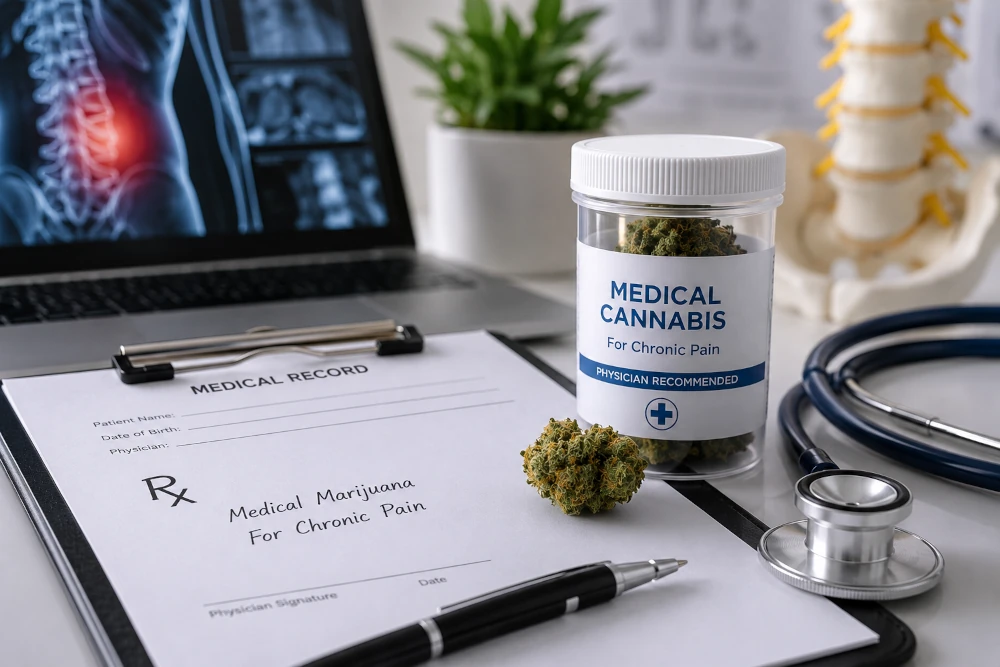
Medical cannabis is increasingly recognised for its therapeutic utility in the management of chronic pain and anxiety. In Melbourne, Florida, patients seeking symptom control may pursue medical marijuana certification to obtain regulated access to therapeutic modalities within a clinical framework. Chronic pain substantially impairs daily functioning, while anxiety disorders present measurable physiological and psychological sequelae. A clear understanding of the local certification pathway enables patients to access appropriate treatment options and pursue measurable improvements in functional outcomes.
This document describes the medical marijuana certification process in Melbourne, summarises evidence-based benefits for chronic pain and anxiety, outlines the applicable legal framework, lists qualifying conditions, and addresses frequently asked questions. Structured information supports effective navigation of certification procedures and treatment decisions.
Key Takeaways
- Medical marijuana certification in Melbourne, FL requires a licensed physician’s evaluation and medical records submission.
- Chronic pain and anxiety are primary qualifying conditions for medical marijuana use in Florida.
- Medical cannabis interacts with the endocannabinoid system to reduce pain and regulate mood effectively.
- Indica, hybrid, and CBD-dominant strains are recommended for managing pain and anxiety symptoms.
- Patients must comply with Florida’s legal regulations, including possession limits and application procedures.
- Telemedicine offers convenient access to licensed medical marijuana doctors for certification and re-certification.
- Clinical evidence supports medical marijuana’s efficacy in treating neuropathic pain and anxiety disorders.
- Understanding product forms like vaporized oils, tinctures, and edibles helps optimize treatment outcomes.
- Upcoming 2026 Florida MMJ law changes may simplify applications and expand qualifying conditions.
Certification Process
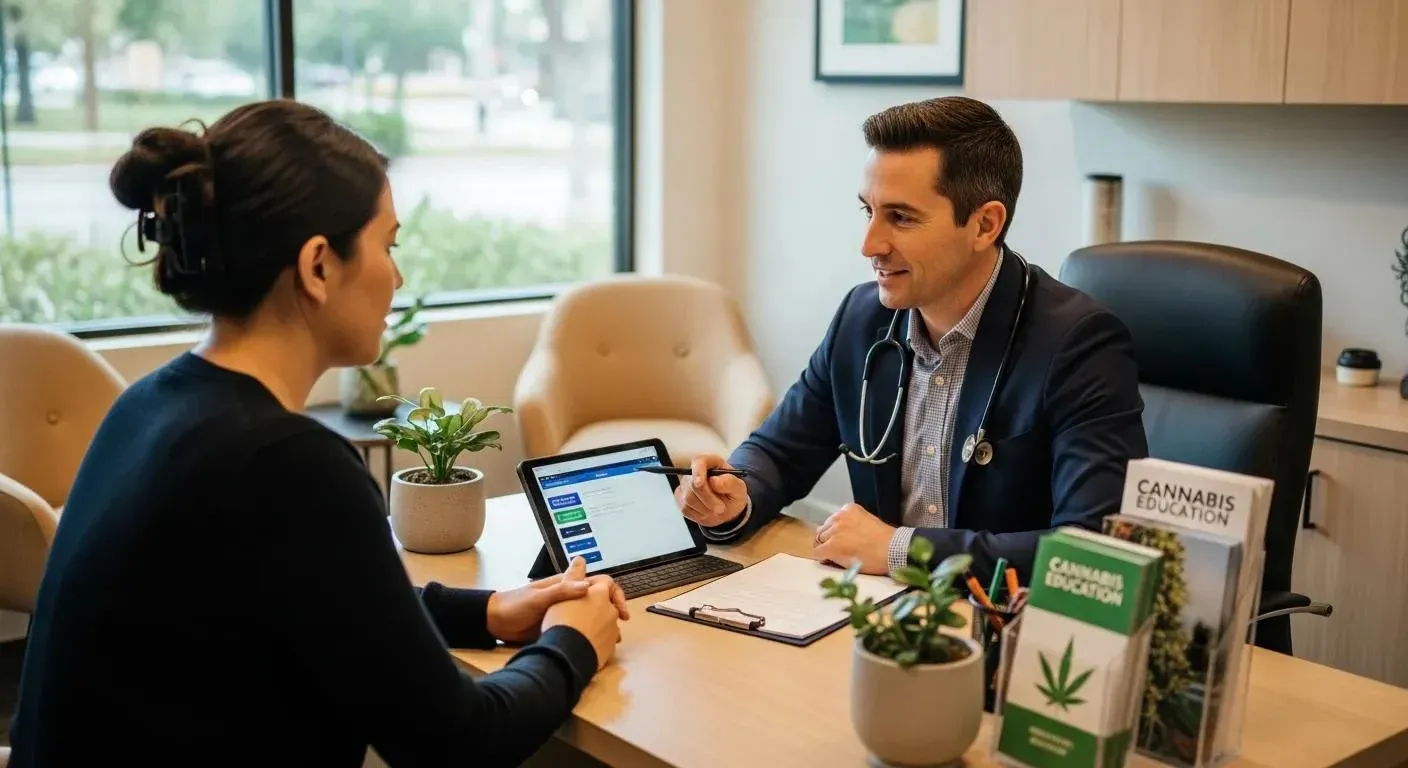
Obtaining medical marijuana certification in Melbourne follows a regulated sequence of steps intended to verify eligibility and inform clinical decision-making. The initial step is a comprehensive clinical evaluation conducted by a physician credentialed to recommend medical cannabis.
Applicants should submit relevant medical records that document the diagnosis, treatment history, and functional impact of their condition. The clinical evaluation typically comprises a detailed history and physical assessment, after which a physician may issue a recommendation when clinical criteria are satisfied; this recommendation is required to apply for state registration.
For those initiating the certification pathway, My Florida Green provides logistical support for scheduling appointments with qualified practitioners and navigating administrative requirements.
Treatment Benefits

Medical cannabis demonstrates several therapeutic benefits for chronic pain and anxiety that differentiate it from some conventional pharmacotherapies.
- Pain Relief: Medical cannabis can attenuate chronic pain symptoms associated with conditions such as arthritis, fibromyalgia, and neuropathy.
- Anxiety Reduction: Certain cannabis formulations have been associated with reductions in anxiety symptoms, contributing to improved emotional stability in some patients.
- Holistic Approach: Compared with some conventional agents that produce prominent adverse effects, medical cannabis may offer an alternative risk–benefit profile for symptom management.
Emerging clinical literature supports these therapeutic effects and should be considered when evaluating medical cannabis as a component of an overall treatment plan.
Which chronic pain disorders qualify for Florida MMJ certification?
Multiple chronic pain disorders meet Florida statutory criteria for medical marijuana certification. These disorders are characterised by persistent pain that impairs function and refractory response to standard therapies.
- Arthritis: A prevalent cause of chronic joint pain and inflammation.
- Fibromyalgia: A syndrome marked by widespread musculoskeletal pain and tenderness that affects daily functioning.
- Neuropathic Pain: Pain secondary to nerve injury or disease, often observed in conditions such as diabetes and multiple sclerosis, for which cannabis-based therapies have demonstrated efficacy.
Recognition of these qualifying conditions allows clinicians and patients to determine eligibility and pursue appropriate clinical evaluation.
How is anxiety classified as a qualifying condition under Florida MMJ laws?
Anxiety disorders are included among Florida’s qualifying conditions for medical cannabis when they meet clinical criteria and impair daily functioning. The state recognises several defined anxiety-related diagnoses.
- Generalized Anxiety Disorder (GAD): Persistent and excessive worry across multiple domains of daily life.
- Panic Disorder: Recurrent panic attacks with associated functional impairment.
- Post-Traumatic Stress Disorder (PTSD): A condition arising after exposure to traumatic events, associated with significant symptom burden.
Florida statutes and clinical guidance continue to evolve; clinicians and patients should monitor regulatory updates that may affect access criteria.
Legal Considerations
Comprehensive understanding of the legal framework governing medical cannabis is necessary for safe and compliant use.
Patients must observe statutory requirements such as possession limits and registration protocols. Non-compliance may result in civil or criminal penalties and potential revocation of certification privileges.
Clinicians and patients should track legislative and regulatory developments affecting medical cannabis in Florida to ensure ongoing adherence to statutory obligations and best practices.
What Conditions Qualify for Medical Marijuana Use in Melbourne, FL?
A range of medical conditions qualify individuals for medical cannabis use in Melbourne under current Florida law.
- Chronic Pain: Persistent pain that substantially interferes with daily activities.
- Cancer: Oncology patients may receive symptomatic relief from pain and chemotherapy-induced nausea with medical cannabis.
- Multiple Sclerosis (MS): Cannabis-based treatments can address spasticity and chronic pain in MS.
The breadth of qualifying conditions reflects an incremental expansion of clinical indications for medical cannabis within state policy.
How Does the Medical Marijuana Certification Process Work in Melbourne, FL?
The certification process in Melbourne is procedural and structured to prioritise patient safety and clinical appropriateness. The core steps consist of:
- Consultation with a Licensed Physician: A documented clinical assessment by a qualified physician is required; resources to identify local MMJ physicians are available.
- Medical Records Submission: Relevant diagnostic and treatment records should be provided to substantiate the qualifying condition.
- Receiving the Recommendation: Where clinical criteria are met, the physician will issue a recommendation for medical cannabis.
- Applying for the Florida Medical Marijuana Card: The patient submits the physician recommendation and required documentation to the state registry for approval; procedural guidance is available at how to get a medical marijuana card in Florida.
This procedural framework limits access to medically appropriate candidates while maintaining regulatory compliance.
What are the requirements for scheduling and completing an evaluation with licensed Florida MMJ doctors?
When arranging an evaluation with a licensed Florida MMJ physician, the following administrative and clinical requirements typically apply.
- Scheduling in Advance: Appointments may be limited; early scheduling is advised.
- Documentation: Applicants should prepare pertinent medical records that document the qualifying condition.
- Consultation Fee: A professional consultation fee is usually assessed; fee schedules are published by providers and can be referenced on pages such as pricing.
Adherence to these requirements facilitates an efficient clinical assessment and documentation process.
What documentation and fees are involved in obtaining a medical marijuana card?
Standard documentation and fees for medical marijuana card issuance generally include the items listed below.
- Medical Records: Documentation from a licensed physician confirming a qualifying diagnosis.
- Application Fee: A state application fee is typically required and may vary by administration.
- Identification: Valid photographic identification, such as a Florida driver license or state ID, is required.
Compiling these documents in advance reduces processing delays during the application phase.
How Does Medical Cannabis Alleviate Chronic Pain and Anxiety Symptoms?
Medical cannabis exerts therapeutic effects through multiple physiological mechanisms relevant to pain and anxiety modulation.
- Endocannabinoid System Interaction: Cannabinoids such as THC and CBD modulate endocannabinoid receptors involved in nociception and affect regulation.
- Anti-inflammatory Properties: Select botanical compounds exhibit anti-inflammatory activity that can reduce nociceptive input.
- Mood Regulation: Cannabinoid activity may influence neurotransmitter systems implicated in anxiety and mood regulation.
Articulation of these mechanisms clarifies the biological rationale for clinical application in appropriate patient populations.
What clinical evidence supports cannabis use for neuropathic and chronic pain management?
Clinical research has evaluated cannabis-based interventions for neuropathic and chronic pain, yielding evidence of therapeutic benefit in selected populations.
- Study Findings: Controlled trials report statistically significant reductions in pain metrics in some cohorts treated with cannabis-derived products compared with placebo.
- Patient Testimonials: Patient-reported outcomes frequently document improvements in pain control and functional capacity following medical cannabis initiation.
These aggregated data contribute to the clinical evidence base supporting cannabis as a treatment option for certain types of chronic pain.
How does cannabis influence anxiety disorders and symptom relief?
Clinical and preclinical studies indicate that cannabis can modulate anxiety-related symptomatology, with effects that vary by cannabinoid profile and dose.
- CBD vs. THC: Evidence differentiates CBD and THC in their anxiolytic profiles; CBD often provides symptom reduction without pronounced psychoactive effects, whereas THC may produce variable outcomes dependent on dose.
- Patient Experiences: Patient-reported data indicate that select formulations reduce anxiety and panic symptoms for some individuals.
These findings support consideration of cannabinoid composition and dosing when integrating medical cannabis into treatment plans for anxiety disorders.
Which Medical Marijuana Strains and Products Are Recommended for Pain and Anxiety Relief in Melbourne?

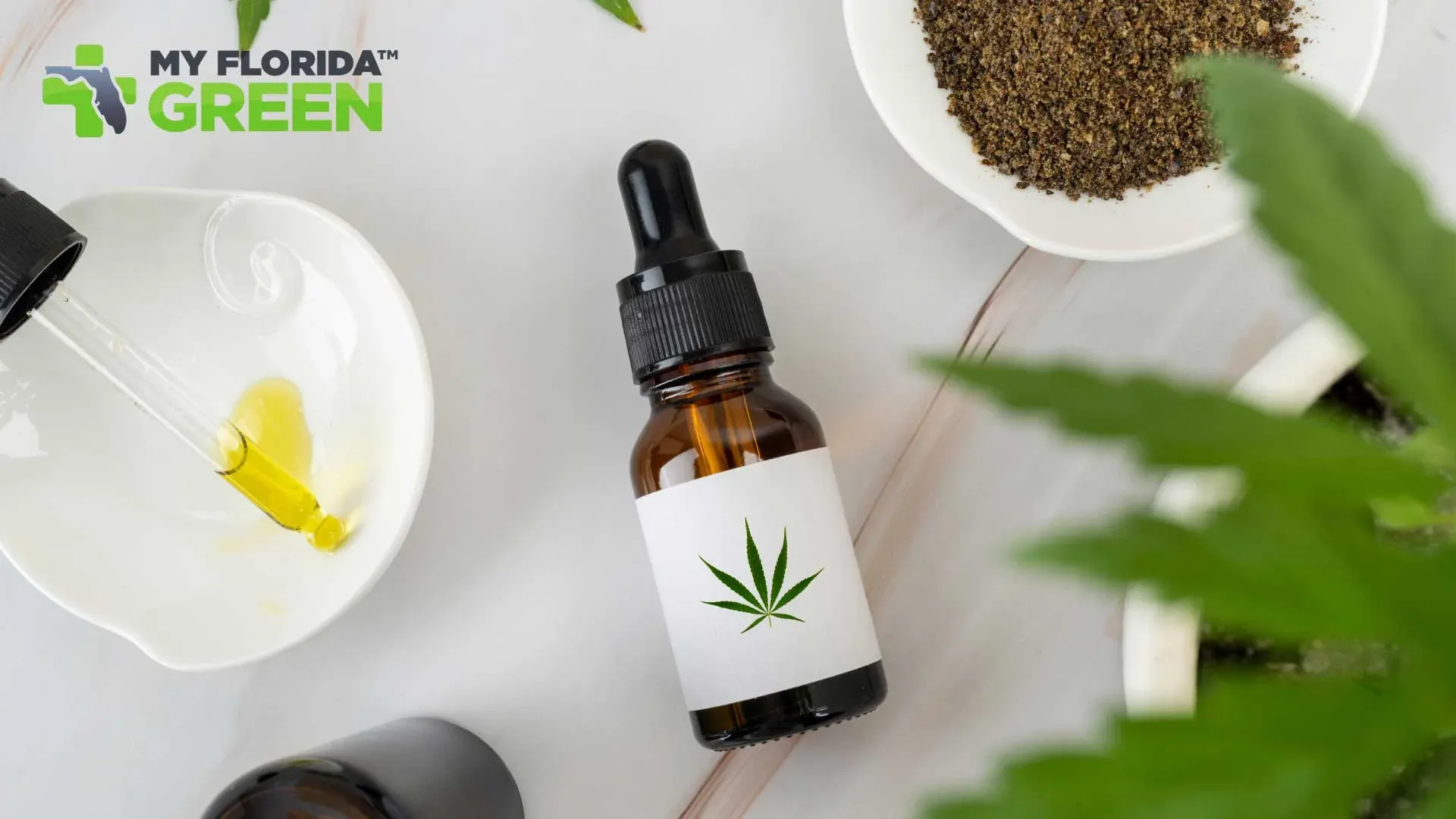
Local clinical practice and dispensary guidance recommend specific strain profiles and product classes based on their pharmacological characteristics.
- Indica Strains: Typically associated with sedative and muscle-relaxant properties, useful for nociceptive pain and anxiety reduction.
- Hybrid Strains: Blended phenotypes that can provide intermediate effects tailored to patient symptom profiles.
- CBD-Dominant Products: Formulations with high cannabidiol content are preferred where anxiolysis is desired without significant psychoactive effects.
Appropriate selection of strain phenotype and formulation is a determinative factor in achieving intended clinical outcomes.
What are the top cannabis strains for chronic pain relief available in Florida dispensaries?
Commonly recommended strains available in Florida dispensaries for chronic pain management include the following examples.
- Granddaddy Purple: An indica cultivar noted for analgesic and sedative properties.
- Blue Dream: A hybrid cultivar that provides combined relaxation and mild euphoria, often used for pain and mood symptoms.
- ACDC: A high-CBD chemotype utilised for analgesia with minimal intoxicating effects.
These examples represent prevalent options but should be selected based on clinical indication and individual response.
How do different product forms—vaporized oils, tinctures, and edibles—influence treatment outcomes?
Pharmaceutical formulation and route of administration materially affect onset, duration, and patient experience.
- Vaporized Oils: Provide rapid systemic absorption and prompt onset, suitable for acute symptom relief.
- Tinctures: Enable controlled dosing with relatively fast sublingual absorption and a predictable onset profile.
- Edibles: Produce prolonged effects with delayed onset due to gastrointestinal absorption and first-pass metabolism.
Understanding pharmacokinetic differences supports optimisation of dosing regimens and timing relative to symptom patterns.
How Can Patients Effectively Schedule and Access Licensed Medical Marijuana Physicians in Melbourne, FL?
Efficient access to licensed medical marijuana physicians is facilitated by targeted administrative and clinical strategies.
- Research Available Physicians: Utilise verified online directories to identify credentialed MMJ providers in the region.
- Telemedicine Options: Telehealth consultations expand access and reduce logistical barriers to initial and follow-up evaluations.
- Word-of-Mouth Referrals: Professional referrals from other clinicians or validated patient networks can identify reputable providers.
Implementing these approaches supports timely access to clinical assessment and continuity of care in the medical cannabis pathway.
Where can patients find qualified MMJ doctors for certification and re-certification in Melbourne?
Patients may locate qualified MMJ physicians through the following channels.
- Online Databases: Aggregated listings of licensed medical marijuana practitioners in Florida.
- Local Clinics: Clinics specialising in MMJ certification that publish provider information online.
- Patient Support Groups: Community resources that compile practitioner recommendations and practical guidance.
These channels provide practical options for identifying clinicians qualified to conduct certification and re‑certification evaluations.
What are the benefits and limitations of telemedicine for MMJ certification in Florida?
Telemedicine has demonstrable advantages and notable constraints when applied to MMJ certification.
- Benefits: Telehealth increases accessibility, reduces travel time, and expands provider availability in underserved areas.
- Limitations: Some clinical assessments may benefit from in-person examination, and reimbursement or coverage for telemedicine services may vary.
Evaluation of these factors enables patients and providers to determine the appropriateness of telemedicine for individual certification scenarios.
What Are the Common Patient Questions and Legal Updates Regarding MMJ Use for Pain and Anxiety in Florida?
Patients commonly seek clarification on eligibility, administrative procedures, and regulatory changes related to medical cannabis use for pain and anxiety.
- Eligibility: Queries focus on whether specific diagnoses meet statutory qualifying criteria.
- Application Process: Questions concern documentation requirements, fees, and procedural timelines.
- Legal Changes: Patients request updates on legislative developments that affect access and compliance.
Addressing these enquiries with current regulatory and clinical information assists patients in maintaining compliance and making informed treatment decisions.
What 2026 regulatory changes should patients and providers anticipate under Florida MMJ laws?
Projected regulatory adjustments for 2026 include the following policy directions.
- Simplified Application Procedures: Regulatory amendments may streamline administrative requirements for applicants.
- Expanded Qualifying Conditions: The qualifying condition list may be broadened as evidence and public policy evolve.
- Improved Access: Regulatory changes may seek to enhance product availability and patient access pathways.
These anticipated modifications reflect an evolving regulatory environment; stakeholders should monitor official guidance for confirmed changes and implementation timelines.
Frequently Asked Questions
What are the potential side effects of using medical marijuana for chronic pain and anxiety?
Medical marijuana is associated with a range of potential adverse effects, including dizziness, xerostomia (dry mouth), altered cognitive state, and fatigue. High-THC preparations can precipitate increased anxiety or paranoid ideation in susceptible individuals. Clinical management requires physician oversight to tailor dose and formulation, monitor adverse events, and implement risk mitigation strategies. Systematic monitoring and dose titration reduce the incidence and severity of side effects.
How can patients ensure they are compliant with Florida’s MMJ laws?
Compliance requires familiarity with statutory possession limits, timely maintenance of state registry status, and adherence to documented application procedures. Patients should retain accurate records, update their medical marijuana card as required, and consult healthcare or legal professionals with expertise in MMJ regulation for clarification of obligations and changes in law.
What role does a caregiver play in the medical marijuana certification process?
A designated caregiver may facilitate application procedures and procure medications on behalf of patients who are unable to manage these tasks independently. Caregivers must complete required authorisation processes and comply with state regulations governing procurement and recordkeeping. Proper designation and education of caregivers are necessary to maintain legal compliance and ensure appropriate medication management.
Are there non-smokable alternatives to medical marijuana available in Florida?
Florida medical cannabis programmes provide non-inhalation product classes such as oils, tinctures, capsules, edibles, and topical formulations. These product types differ in absorption kinetics and duration of effect; selection should be based on clinical goals, pharmacokinetic profiles, and patient preference. Clinical consultation assists in choosing an appropriate non-smokable option.
How does medical marijuana differ from recreational marijuana regarding legal status?
Medical cannabis is authorised through a clinical certification process for specified medical indications and is regulated under distinct statutory provisions. Recreational cannabis, where legal, is governed by separate statutory frameworks permitting non-medical possession and use under different regulatory constraints. In Florida, medical cannabis requires physician certification and is subject to stricter possession and dispensing controls than recreational programmes in other jurisdictions.
What should patients consider when selecting a strain for their needs?
Strain selection should be guided by the clinical indication, cannabinoid and terpene profile, prior patient response, and desired therapeutic effect. Indica-dominant phenotypes are typically selected for analgesia and relaxation; sativa-dominant phenotypes may be chosen for more activating effects. Consultation with dispensary clinicians or treating physicians supports evidence-informed selection aligned to symptomology.
Is telemedicine effective for medical marijuana consultations in Florida?
Telemedicine is an effective modality for MMJ consultations in many cases, particularly for patients with limited mobility or those residing in remote locations. Virtual evaluations can provide comprehensive clinical assessment and documentation for certification when conducted by qualified providers. Selection of a telemedicine provider with demonstrated MMJ experience ensures adherence to clinical and legal standards.
Conclusion
Medical marijuana certification in Melbourne, FL establishes a regulated pathway for accessing therapeutic alternatives to manage chronic pain and anxiety, with potential to improve functional outcomes for appropriately selected patients. A clear understanding of clinical benefits, administrative procedures, and legal obligations supports informed decision-making. Patients should consult qualified physicians to determine eligibility and to initiate an evidence-based treatment plan while monitoring regulatory developments relevant to medical cannabis.